
Insulation Pins Handling Tips: Safety Rules for Saudi Arabia Worksites
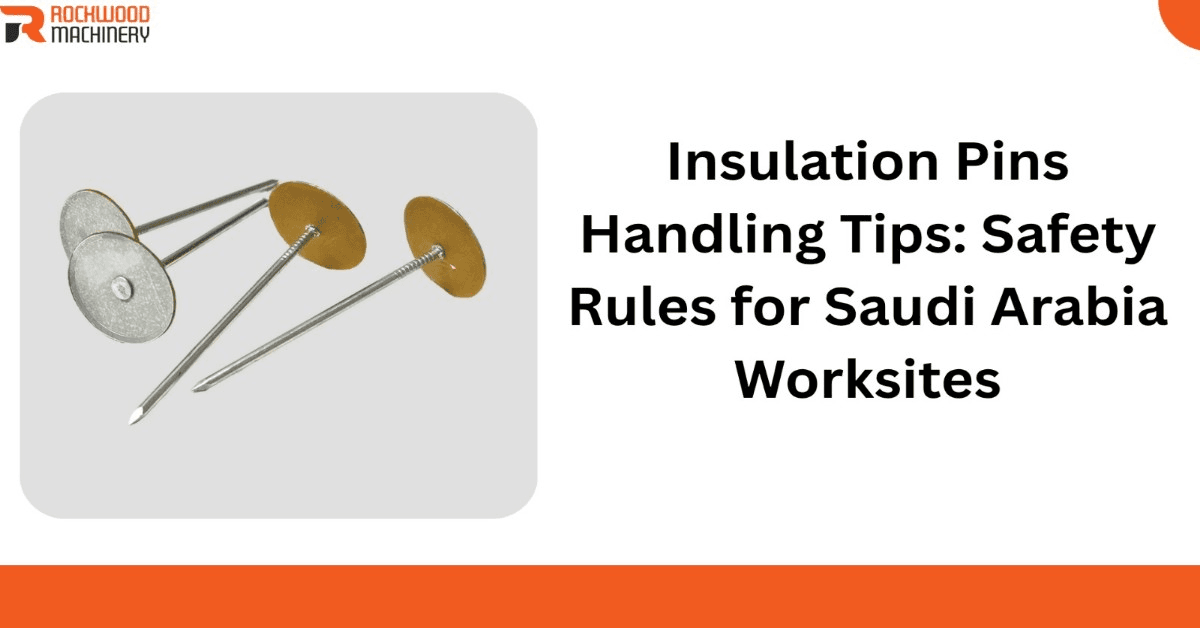
Construction and industrial projects across Saudi Arabia depend heavily on insulation systems for temperature control, fire resistance, and energy efficiency. In sectors such as oil and gas, HVAC installation, petrochemicals, shipbuilding, and steel fabrication, insulation pins play a direct role in securing insulation materials safely and firmly.
On busy worksites, poor handling of insulation pins can lead to injuries, damaged materials, weak installations, and project delays. Teams working in high-temperature industrial zones, such as Riyadh, Dammam, Jubail, and Jeddah, often deal with challenging site conditions where safety standards are paramount every day.
This guide covers practical insulation pin handling tips and important safety rules followed across Saudi Arabian worksites.
Why Insulation Pin Safety Matters on Industrial Sites
Insulation pins may look small compared to other fabrication components, but they are sharp, fastening products designed for industrial-grade holding strength. Workers handle thousands of pins during large insulation projects, particularly on sites utilizing insulation pins in Saudi Arabia for HVAC, refinery, and industrial insulation work.
According to recent industrial safety reports, improper handling of fastening materials remains one of the common causes of minor workplace injuries on fabrication and installation sites. Industrial growth under Vision 2030 has also increased demand for safer construction practices across the Kingdom.
In large industrial facilities, even minor installation errors can significantly impact the performance of insulation. Loose insulation may increase energy loss, reduce fire protection efficiency, and create maintenance problems.
Common Types of Insulation Pins Used in Saudi Arabia
Different projects require different fastening systems. Contractors usually select pins based on operating temperature, insulation thickness, and surface material.
Capacitor Discharge Weld Pins
These pins are widely used in HVAC duct insulation and sheet metal applications. They create strong welds with minimal backside marking.
Cup Head Pins
Cup head insulation pins are commonly used in commercial buildings and ducting systems because they effectively hold lightweight insulation materials.
Lacing Anchors
Industrial plants and high-temperature pipelines often use lacing anchors for removable insulation blankets.
Self-Adhesive Insulation Pins
These are suitable for low-temperature indoor applications where welding is not preferred.
Personal Protective Equipment on Insulation Pin Worksites
All workers involved in handling insulation fastening products must wear appropriate safety gear at all times during the installation process.
Hand Protection
Cut-resistant gloves help prevent puncture injuries during loading and positioning.
Eye Protection
Safety goggles protect workers from metal particles during welding or grinding operations.
Welding Safety Equipment
When using insulation pin welding systems, operators should wear welding shields, flame-resistant clothing, and protective footwear.
Industrial safety regulations in Saudi Arabia continue emphasizing mandatory PPE compliance in welding and fabrication environments.
Safe Storage and Material Handling Practices
Improper storage can quickly damage insulation pins, particularly in coastal industrial zones where humidity and corrosion are significant concerns.
Keep Pins Dry and Covered
Galvanized and stainless steel pins should remain inside sealed containers until installation begins.
Separate Different Pin Materials
Mixing stainless steel and mild steel fasteners can create confusion during installation and may affect corrosion resistance requirements.
Avoid Overloading Storage Boxes
Large metal containers filled beyond safe limits increase the risk of spills and hand injuries.
Inspection Before Installation
Experienced site supervisors usually inspect insulation pins before work begins each day.
Check for Rust or Surface Damage
Corroded pins reduce holding strength and may fail during long-term operation.
Verify Weld Compatibility
Operators should confirm the pin material matches the welding equipment specifications.
Confirm Correct Pin Length
Using short pins may weaken insulation holding power, while oversized pins increase material waste.
Welding Machine Safety Rules
Insulation pin welding machines are widely used across Saudi Arabian fabrication workshops and industrial construction projects. Safe operation reduces electrical hazards and improves installation quality.
Grounding the Equipment Properly
Ungrounded welding systems increase the risk of electrical shock, especially in outdoor environments.
Inspect Welding Cables Daily
Damaged cables should never remain in operation areas. Small cracks can expose workers to electrical risks.
Maintain Clean Contact Surfaces
Dust, oil, or rust on metal surfaces may weaken weld quality and increase installation failures.
Operator Training Matters
Industry safety organizations across the Gulf region continue stressing the importance of certified welding operator training to reduce installation defects and improve workplace safety.
Heat and Weather Conditions in Saudi Arabia
The extreme temperatures in Saudi Arabia present extra challenges for crews installing insulation. Summer temperatures in inland regions like Riyadh can exceed 45°C, creating difficult working conditions for outdoor industrial crews.
During the summer months, surface temperatures on exposed steel structures can become dangerous. Site teams should schedule heavy insulation work during cooler morning or evening hours when possible.
Hydration also plays an important role. Workers operating welding equipment under direct sunlight require regular water breaks and shaded rest areas.
Choosing Quality Insulation Pin Equipment
Reliable fastening products improve installation speed and workplace safety. Contractors throughout the GCC often prefer industrial-grade systems from experienced machinery suppliers who provide technical support and spare parts availability.
Using certified equipment also helps contractors meet project quality standards in sectors such as oil refineries, HVAC manufacturing, and commercial construction.
Final Thoughts
Insulation pin handling may seem routine on industrial projects, yet safety procedures remain essential for protecting workers and maintaining installation quality. Proper PPE, organized storage, daily equipment inspection, and trained machine operators all contribute to safer worksites across Saudi Arabia.
As industrial construction activity continues growing in the Kingdom under Vision 2030 infrastructure development plans, demand for reliable insulation fastening systems and skilled installation practices will continue increasing.
To learn more, click: How Welding Studs Improve Efficiency in Metal Fabrication Industries in Saudi Arabia

