
When to Replace vs. Repair Your Steel Fabrication Machinery in High-Heat Saudi Climates
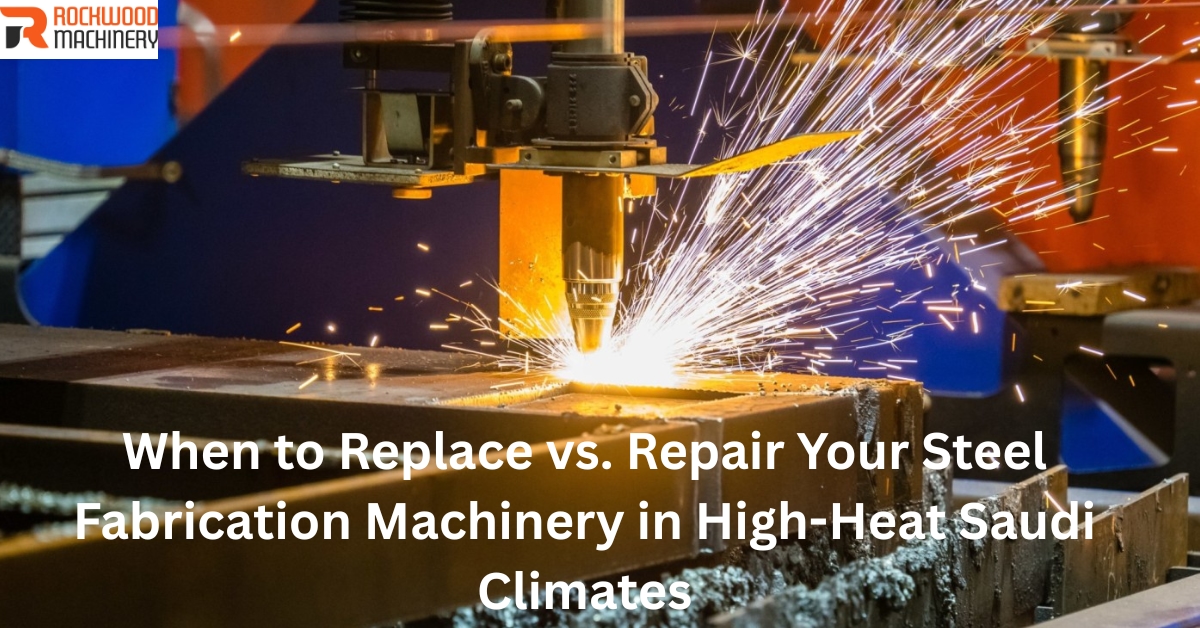
High temperatures across Saudi Arabia can put considerable pressure on steel fabrication equipment, especially in workshops that run machinery for extended hours. Over time, excessive heat, dust, and regular heavy use may affect cutting accuracy, increase energy consumption, or lead to repeated maintenance issues. Understanding when to repair ageing equipment and when to invest in a replacement helps manufacturers manage expenses and keep production running smoothly.
Selecting suitable Steel Fabrication Machinery products in Saudi Arabia also involves assessing workshop conditions, production demands, and ongoing service requirements. Making informed equipment decisions can reduce avoidable downtime and help businesses get better value from their investment.
How High Temperatures Affect Fabrication Equipment
Heat can affect several parts of industrial machinery. Electrical components may struggle when ventilation is inadequate, hydraulic systems can experience higher operating temperatures, and lubricants may lose their effectiveness if they are unsuitable for the working environment. Dust accumulation can make these problems worse by restricting airflow and increasing wear.
For manufacturers using steel fabrication Machines in Saudi Arabia, regular inspection is important, particularly during summer. Unusual vibration, repeated overheating, inconsistent cutting results, or changes in operating noise may indicate that equipment needs attention.
Some problems are minor and can be corrected through servicing. Some indicate that worn components or aging systems may no longer meet production standards.
When Repairing Machinery Makes Financial Sense
Repairing steel fabrication machinery can be a practical choice when the main structure remains in good condition, and the fault involves replaceable components. Before deciding, consider these points:
-
Minor Component Damage: Faults involving switches, worn bearings, sensors, or leaking hydraulic connections may be fixed without replacing the entire machine.
-
Affordable Repair Costs: Request an estimate for labour, spare parts, and servicing to determine whether the repair fits your maintenance budget.
-
Availability of Spare Parts: Check that suitable replacement components are available, particularly for older machinery.
-
Limited Production Downtime: Repair is often worthwhile when technicians can restore the machine quickly without significantly disrupting workshop operations.
-
Reliable Performance After Repair: Choose repair when the equipment is expected to operate consistently after servicing, rather than requiring repeated maintenance.
If breakdowns become frequent and repair expenses continue to rise, replacing the machinery may offer better long-term value.
Signs That Replacement Is the Better Choice
Certain warning signs suggest that continued repairs may no longer be practical. Machinery that repeatedly fails under normal workloads deserves a closer review, particularly when replacement parts are difficult to source.
Outdated equipment can also limit production efficiency. Older machines may lack the precision, automation, or operating flexibility required for current manufacturing contracts. If repair costs keep increasing while output quality declines, a replacement deserves serious consideration.
Manufacturers should compare the total ownership cost of both options. This includes purchase or repair expenses, energy consumption, maintenance needs, downtime, and the expected service life of the equipment. A newer machine may require a larger initial investment, yet offer better operating consistency when correctly selected and maintained.
Choosing Machinery for Saudi Workshop Conditions
Check Operating Temperature Requirements
Selecting equipment suited to the workshop environment can reduce avoidable maintenance problems. Buyers should consider the manufacturer's recommended operating temperature, cooling requirements, electrical specifications, and maintenance schedule before making a purchase.
Match Machine Capacity to Production Needs
For heavy metalworking operations, Hydraulic Ironworker Machines in Saudi Arabia can support punching, shearing, and other fabrication tasks. Buyers should examine hydraulic system specifications, safety features, and the machine's rated capacity to ensure it matches their workload.
Similarly, Laser Cutting Machines in Saudi Arabia should be selected according to material thickness, cutting accuracy, production volume, and cooling requirements. Proper ventilation and adherence to the manufacturer's environmental specifications are essential for dependable operation.
Prioritise Spare Parts and Technical Support
When comparing Steel Fabrication Machinery products in Saudi Arabia, businesses should also consider the availability of technical support and genuine spare parts. Reliable assistance can make a significant difference when equipment needs servicing during a busy production period.
Maintenance Practices That Help Extend Machine Life
Preventive maintenance can delay the need for expensive replacements. Operators should follow the manufacturer's instructions for lubrication, cleaning, inspection, and scheduled servicing. Hydraulic fluid levels, cooling systems, electrical connections, and ventilation paths deserve particular attention during hot weather.
Workshop managers should also maintain records of breakdowns and repairs. These records help identify recurring faults and reveal whether maintenance costs are rising beyond an acceptable level.
Staff training matters as well. Operators who understand the correct machine settings and warning indicators are more likely to recognise developing problems before they lead to major failures.
Conclusion
Deciding when to repair or replace fabrication equipment requires a realistic assessment of its condition, operating costs, and production performance. Minor faults may justify repair, while frequent breakdowns, declining accuracy, and expensive spare parts can make replacement the more practical investment.
Businesses evaluating Steel Fabrication Machinery products in Saudi Arabia should prioritise equipment suited to their workload and workshop conditions. Comparing suitable machines, checking service support, and following preventive maintenance schedules can help manufacturers maintain dependable production despite the challenges of Saudi Arabia's hot climate.
To learn more, click: Is Welding Accuracy Affecting Product Quality? The Role of Robotic Welding Machines in Saudi Arabia

