
Struggling with Heavy Plate Forming? How Plate Rolling Machines in Saudi Arabia Improve Precision
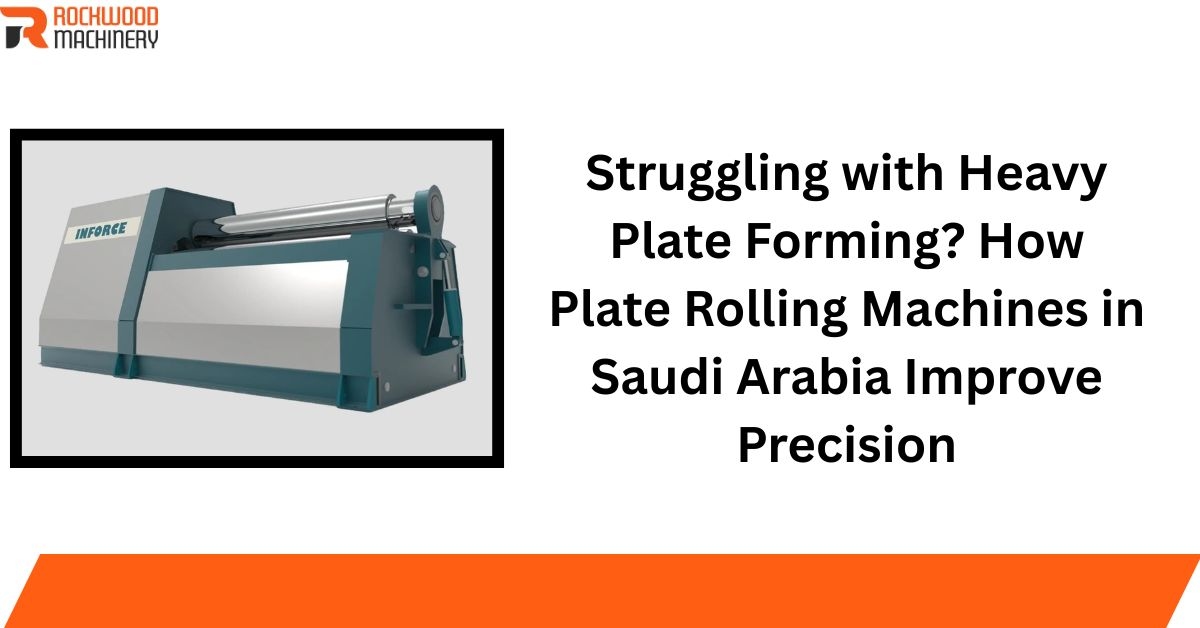
Heavy steel plates are used in the construction of storage tanks, pressure vessels, pipelines, and for industrial fabrication. Even a small error during rolling can create fitting problems, increase welding time, and waste expensive material. Many fabrication companies in Saudi Arabia are upgrading to modern plate rolling machines for better accuracy, smoother operation, and reliable performance with various plate sizes.
When a Plate Just Won't Curve Right
Anyone involved in metal fabrication knows how frustrating an uneven bend can be. A plate that refuses to roll correctly often leads to extra rework before welding can even begin. Flat spots, incorrect radii, or edge distortion can slow an entire production schedule.
Several factors usually contribute to poor rolling results. Material thickness may vary, roller pressure might not be properly adjusted, or an older machine may struggle to maintain consistent force across the full width of the plate. Operator experience also plays a role, yet even skilled fabricators cannot compensate for equipment that lacks precision.
Modern plate rolling machines reduce these common issues by offering better control over the rolling process. As a result, manufacturers spend less time correcting mistakes and more time completing customer orders.
What's Really Happening Inside the Roller
A plate rolling machine applies controlled pressure through specially designed rollers to gradually bend a flat steel plate into the required radius. The process may appear straightforward, but accurate rolling depends on the machine's ability to maintain even pressure throughout every stage of the operation.
Advanced hydraulic systems provide smoother movement and better roller positioning than many older mechanical designs. Digital controls also allow operators to repeat previous settings for similar jobs, reducing setup time between production runs.
Four-roll machines are especially popular for applications that require higher precision because they grip the plate securely throughout the rolling cycle. This reduces slipping and produces cleaner, more consistent curves, particularly on thicker materials commonly used across Saudi industries.
From Guesswork to Consistent, Repeatable Bends
Many workshops still rely on manual adjustments and operator judgment to achieve the required radius. While experienced fabricators often produce good results, repeating the exact bend across multiple plates becomes difficult.
Modern Plate Rolling Machines in Saudi Arabia eliminate much of this uncertainty. Programmable controls store rolling parameters for repeat jobs, allowing operators to reproduce the same bend with minimal adjustment. This consistency is valuable for projects involving pressure vessels, structural steel components, wind towers, and storage tanks.
Accurate rolling also improves the next stages of fabrication. Plates fit together more easily during welding, reducing gaps and lowering the need for additional grinding or correction work. Reducing material waste and minimizing rejected components directly lead to lower production costs.
Many fabrication businesses also integrate these systems with Steel fabrication machines in Saudi Arabia while managing projects across GCC markets. This combination creates efficient production lines that consistently meet demanding industrial specifications.
Why Demand Is Outpacing Old Equipment in Saudi Arabia
Saudi Arabia is making significant investments in infrastructure, energy, transportation, and industrial manufacturing through large-scale development projects. Fabrication companies are receiving more complex orders that require tighter tolerances and faster turnaround times.
Older plate rolling machines often become production bottlenecks under these conditions. Longer setup times, slower rolling speeds, and inconsistent accuracy make it difficult to keep pace with customer expectations.
Modern hydraulic machines help manufacturers increase productivity without sacrificing quality. Faster setup, better repeatability, and improved safety features allow workshops to complete more work within the same operating hours.
As fabrication requirements continue to grow across Riyadh, Dammam, Jeddah, and other industrial regions, investing in reliable rolling equipment has become a practical business decision rather than simply replacing ageing machinery.
What to Look for Before You Commit to a Machine
Selecting the right machine requires more than comparing capacity specifications. The equipment should match both current production needs and future business growth.
Look carefully at maximum plate thickness, working width, roller diameter, hydraulic performance, and available control systems. Reliable technical support and spare parts availability are equally important because unexpected downtime affects delivery schedules.
Machine construction also deserves close attention. A rigid frame maintains alignment under heavy loads and contributes to consistent rolling accuracy over many years of operation.
Before making a purchase, request a live demonstration using material similar to your production requirements. Seeing actual bending performance provides far more confidence than relying on catalogue specifications alone.
Conclusion
Precision plate rolling has a direct impact on fabrication quality, production efficiency, and operating costs. A well-designed rolling machine produces accurate curves, reduces material waste, and shortens fabrication time by improving the fit of every component.
As industrial projects continue to expand across the Kingdom, investing in dependable Plate Rolling Machines in Saudi Arabia helps manufacturers stay competitive while meeting demanding quality standards. Choosing equipment that offers reliable performance today and enough capacity for tomorrow ensures your workshop is prepared for future growth without compromising accuracy on every job.
To learn more, click: 5 Things to Look For Before Buying a Tool Grinding Machine in Saudi Arabia

