
7 Quality Control Challenges Solved by Welding Automation Solutions in Saudi Arabia
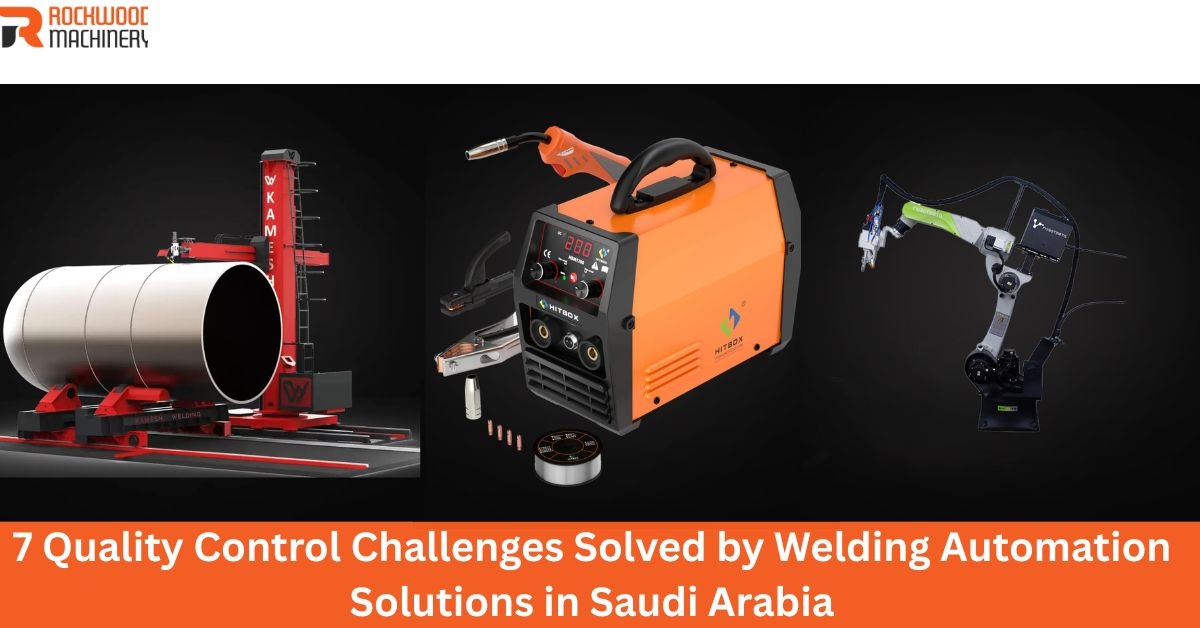
Quality control remains one of the biggest concerns in fabrication, manufacturing, and heavy industrial projects. Even experienced welders can face challenges when production volumes increase, project deadlines tighten, and weld specifications become more demanding. A minor inconsistency in a weld can lead to rework, inspection failures, material waste, and costly project delays.
To address these challenges, many manufacturers are investing in Welding Automation Solutions in Saudi Arabia. Automated welding systems help improve consistency, reduce human error, and maintain high production standards across large projects. Industries such as oil and gas, construction, pressure vessel manufacturing, steel fabrication, and pipeline production increasingly rely on automation to achieve reliable results.
Here are seven common quality control challenges that welding automation can help solve.
Inconsistent Weld Quality Across Production Batches
Manual welding quality often depends on operator skill, experience, and working conditions. When multiple operators work on the same project, weld appearance and penetration can vary significantly.
Welding automation systems maintain predefined welding parameters throughout the production cycle. Travel speed, arc length, torch positioning, and heat input remain consistent, helping manufacturers achieve uniform weld quality across every component.
For industries producing large quantities of identical parts, consistency is essential for meeting customer specifications and inspection requirements.
Excessive Weld Defects and Rework
Porosity, undercut, lack of fusion, excessive spatter, and incomplete penetration are common welding defects that increase production costs. Every defective weld requires additional inspection, grinding, repair work, and retesting.
Automated welding equipment minimizes many of the variables that contribute to these defects. Once parameters are correctly programmed, the system repeats the welding process with a high degree of accuracy.
Reduced defect rates lead to lower rework costs and improved production efficiency. Fabrication companies also benefit from shorter project timelines because fewer repairs are required before final inspection.
Difficulty Maintaining Precise Weld Positioning
Many industrial applications require highly accurate weld placement. Pressure vessels, structural components, pipelines, and heavy fabrication projects often have strict dimensional tolerances.
Maintaining precise torch alignment manually can be challenging, particularly during long welding cycles or complex joint configurations.
Modern welding automation solutions use positioning systems, welding carriages, rotators, and manipulators to maintain exact torch movement throughout the welding operation. Consistent positioning improves weld appearance and helps ensure compliance with project specifications.
Companies searching for reliable Welding Automation Solutions in Saudi Arabia often prioritize positioning accuracy because it directly affects product quality.
Variations Caused by Operator Fatigue
Welding tasks that require long production hours can affect concentration and consistency. Fatigue may lead to small mistakes that influence weld quality, especially during repetitive production work.
Automated systems perform repetitive welding operations without the performance fluctuations associated with extended manual work. Production quality remains stable throughout the shift, helping manufacturers maintain consistent standards.
This advantage is particularly valuable for facilities handling large-scale fabrication projects where hundreds of similar welds must meet identical quality requirements.
Challenges During Inspection and Compliance
Industrial projects in Saudi Arabia often require strict adherence to quality standards, customer specifications, and regulatory requirements. Welded components are frequently subject to visual inspections, non-destructive testing, and detailed quality assessments before approval.
In manual welding operations, variations in technique, heat input, or welding speed can lead to inconsistencies that may affect inspection results. When defects or quality concerns are identified, manufacturers may face rework, production delays, and additional costs.
Welding automation helps address these challenges by creating a more controlled and repeatable welding process.
Advantages of automation during inspection and compliance include:
-
Consistent weld appearance and penetration across multiple production runs.
-
Reduced dependence on operator skill for maintaining weld quality.
-
Greater process repeatability for critical fabrication projects.
-
Improved compliance with project specifications and quality standards.
-
Easier verification of welding parameters and production records.
-
Lower risk of inspection failures and corrective actions.
-
Enhanced quality control throughout the fabrication process.
-
Better support for customer audits and certification requirements.
By improving process consistency and reducing quality variations, welding automation helps Saudi manufacturers meet inspection requirements while supporting efficient production schedules.
Material Waste and Production Losses
Poor weld quality often results in wasted materials, additional consumable usage, and production delays. Scrap components represent a direct financial loss, especially when working with expensive metals and large fabricated assemblies.
Automated welding systems help reduce waste by improving process accuracy and repeatability. Better control over welding parameters reduces the likelihood of defective parts entering later stages of production.
Over time, reduced scrap rates can generate significant savings and improve overall manufacturing profitability.
Limited Traceability and Process Control
Quality control becomes more difficult when welding procedures are not consistently documented. Manual operations may create variations that are challenging to track during audits or inspections. Many manufacturers are adopting Welding Automation Machines in Saudi Arabia to improve consistency and establish better control over critical welding operations.
Advanced welding automation systems often include monitoring and process-control features that record key welding parameters. Production teams can review process data, identify potential issues, and maintain better quality documentation.
This level of traceability supports continuous improvement efforts and helps manufacturers identify opportunities for further optimization.
Conclusion
Quality control challenges can affect fabrication projects, from production efficiency to final inspection approval. As Saudi Arabia expands its industrial and infrastructure sectors, manufacturers are seeking ways to improve weld quality and maintain productivity.
Welding Automation Solutions in Saudi Arabia help reduce defects, improve consistency, enhance process control, and minimize costly rework. By introducing automation into welding operations, fabrication companies can achieve higher quality standards and better resource utilization.
Businesses that invest in modern welding automation technologies are better positioned to meet industry demands while maintaining reliable production quality.
To learn more, click: Top Operator Errors That Affect the Performance of Nozzle Welders in Saudi Arabia

