
Routine Inspection Tips for Reliable Hydraulic Press Operation in Saudi Arabia
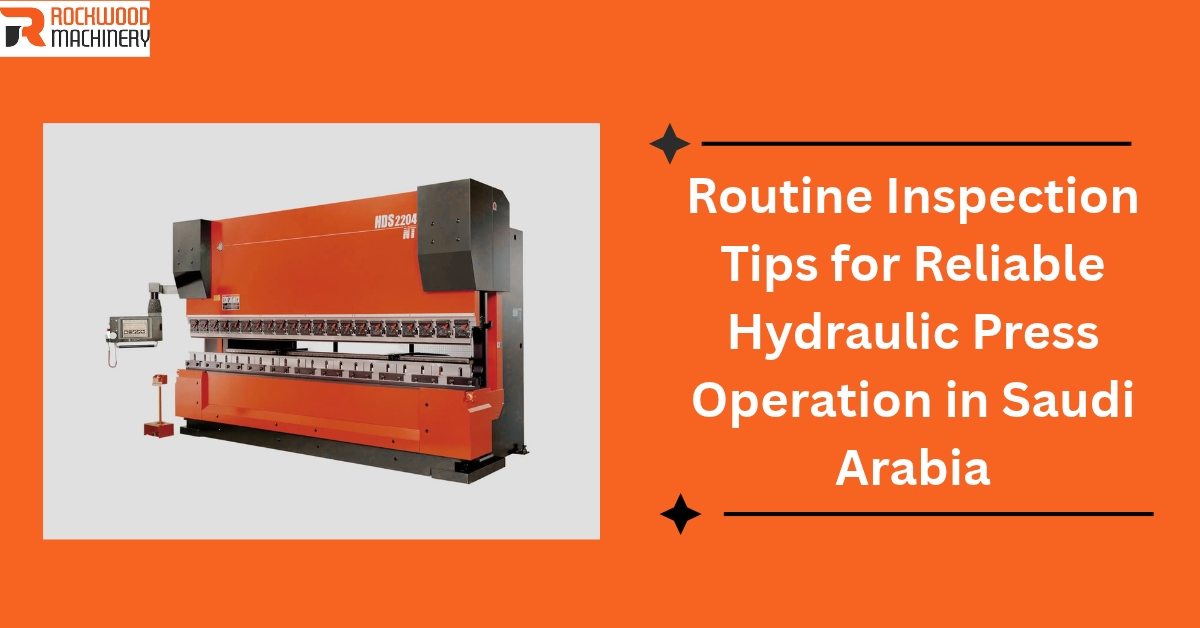
Hydraulic presses are widely used in metal fabrication workshops and manufacturing facilities across Saudi Arabia. Regular use can cause component wear, oil contamination, and leaks. If these issues go unnoticed, they may affect production quality and lead to unexpected downtime.
For businesses using Hydraulic Presses in Saudi Arabia, routine inspection helps identify problems early and maintain safe, reliable equipment.
Why Routine Inspection Is Important
A hydraulic press relies on fluid pressure to generate force. Problems with pumps, valves, seals, or hydraulic lines can affect machine performance.
A worn seal may cause oil leakage, while a blocked filter can restrict fluid flow. Regular inspections help maintenance teams detect these faults before repair costs increase.
Inspection frequency depends on the machine model, workload, and operating environment. Follow the manufacturer's maintenance instructions.
1. Check Hydraulic Oil Levels and Condition
Hydraulic oil transfers pressure and lubricates internal components. Its condition directly affects machine performance.
Check the oil level before starting a shift, following the manufacturer's instructions. Look for contamination, foaming, unusual colour changes, or a burnt smell.
Low oil levels can affect machine movement, while contaminated fluid may damage pumps and valves. Use the specified oil grade and replace it at recommended intervals.
Always isolate the machine and release stored pressure before maintenance.
2. Inspect Hoses, Seals, and Hydraulic Connections
Damaged hoses and worn seals can cause pressure loss and create safety hazards.
Examine accessible hoses for cracks, bulges, and abrasion. Check cylinders, pumps, valves, and fittings for leaks. A qualified technician should assess damaged connections.
Never use your hands to locate a high-pressure hydraulic leak. Escaping fluid can penetrate the skin and cause serious injury.
Replace damaged components promptly to reduce the risk of equipment failure.
3. Monitor Pressure and Machine Performance
A hydraulic press should operate within the manufacturer's specified pressure limits. Changes in pressing force, slow movement, unusual vibration, or unstable pressure may indicate a fault.
Check the pressure gauge and observe the ram during operation. Unexpected fluctuations may require inspection of the pump, control valve, or hydraulic cylinder.
Avoid increasing pressure to compensate for poor performance, as excessive pressure can damage components.
These checks also apply to Hydraulic Ironworker machines in Saudi Arabia, although punching and shearing functions require additional inspections.
4. Examine the Frame, Ram, and Pressing Area
Inspect the Press Frame for Damage
Inspect the press frame for cracks, deformation, corrosion, or loose fasteners. Check the ram and guide surfaces for wear or misalignment that could affect machine operation.
Keep the Pressing Area Clear
Remove metal scraps and other obstructions from the working area. Ensure dies, platens, and workpieces are positioned correctly before operation to reduce the risk of accidents.
Monitor Unusual Sounds and Vibrations
Pay attention to knocking sounds or sudden changes in vibration. Stop the machine if a serious fault is suspected and arrange a technical inspection before restarting. For facilities using Steel fabrication Machines in Saudi Arabia, separate inspection records help technicians identify recurring problems and track equipment condition.
5. Test Electrical Controls and Safety Devices
Damaged cables, faulty switches, and defective emergency stops can create serious hazards.
Inspect accessible electrical components for visible damage. Test emergency stops, guards, and interlocks according to the manufacturer's procedure. Never bypass safety devices.
Before repairs, isolate the machine from its energy sources and follow the required lockout/tagout procedure. Stored hydraulic pressure must also be controlled.
Only trained and authorised personnel should perform electrical repairs and complex maintenance.
6. Check Filters and Related Hydraulic Equipment
Hydraulic filters remove contaminants that could damage pumps, valves, and cylinders. Clogged filters can restrict fluid flow and reduce performance.
Check filter indicators where fitted and replace filters according to the manufacturer's recommendations. Investigate repeated blockages, as they may indicate contamination elsewhere in the system.
Businesses operating Hydraulic Shear Machines in Saudi Arabia should also inspect blades, blade clearance, and hold-down mechanisms according to the machine manual.
Each machine requires its own inspection procedure.
7. Maintain a Consistent Inspection Schedule
Make inspection part of the regular workshop routine. Operators can perform basic visual checks, while qualified technicians handle detailed examinations and repairs.
A practical schedule includes:
-
Before each shift: Check for leaks, damage, and unsafe conditions.
-
During operation: Monitor pressure, movement, noise, vibration, and temperature.
-
At scheduled intervals: Inspect hoses, filters, connections, and fasteners.
-
As recommended by the manufacturer: Perform detailed servicing and component replacement.
Keep a maintenance log containing inspection dates, faults, repairs, and replacement parts. These records help identify recurring issues and plan maintenance.
Conclusion
Regular inspection helps keep hydraulic presses safe and reliable. Checking oil condition, hydraulic connections, pressure, and safety devices can reduce breakdowns and unnecessary repair costs.
For companies using Hydraulic Presses in Saudi Arabia, following manufacturer guidelines and addressing faults promptly helps maintain consistent machine performance. Rockwood Saudi provides industrial machinery solutions for metalworking and fabrication applications.
To learn more, click: Are You Overlooking These 7 Advantages of Weld Cleaning Machines in Saudi Arabia?

