
Modern Pipe Bending Machines in Saudi Arabia: Features and Applications
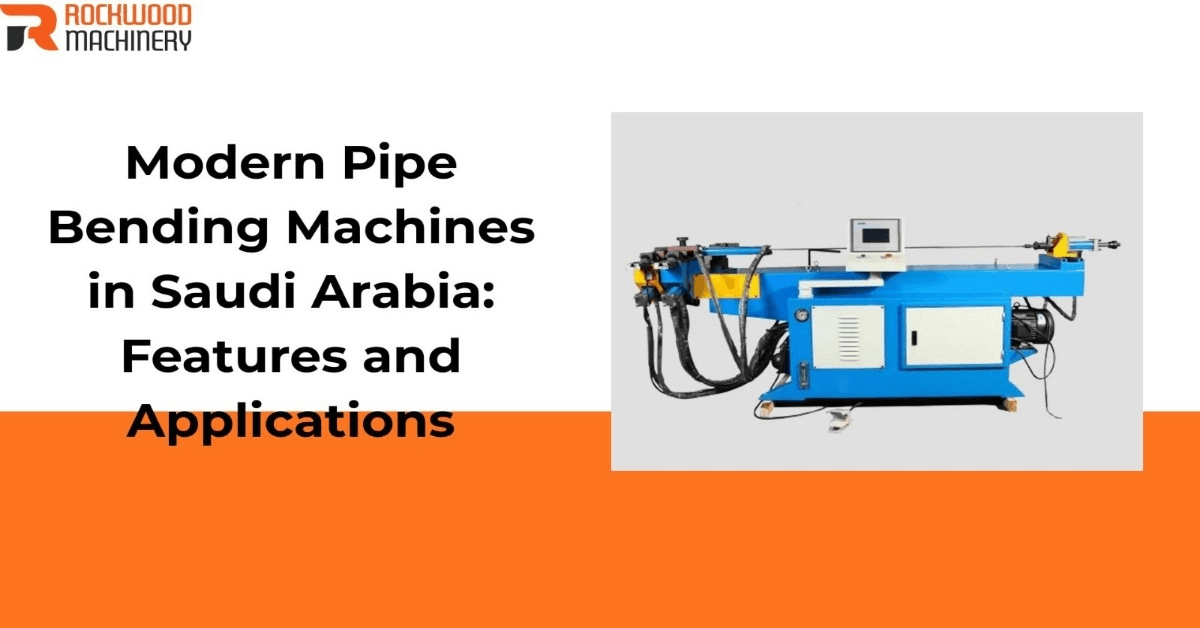
Saudi Arabia's industrial sector is experiencing significant growth, driven by large infrastructure projects, expanding oil and gas operations, and a strong commitment to advanced manufacturing. In this evolving environment, Pipe Bending Machines in Saudi Arabia have become a vital part of fabrication processes. These machines allow industries to shape pipes into precise angles and curves while maintaining strength and durability.
From large-scale construction sites in Riyadh to energy facilities in Jubail, pipe bending technology is helping businesses improve efficiency and maintain consistent quality in their operations.
Understanding Modern Pipe Bending Machines
Pipe bending machines in Saudi Arabia are designed to transform straight pipes into the required shapes without compromising their structure. In earlier times, bending was often performed manually, resulting in uneven outcomes and increased material waste. Today, modern machines—particularly CNC-based systems—have revolutionized the process by providing automation, speed, and precision.
These machines are available in various types, including manual, hydraulic, and CNC models. CNC machines are widely used in industrial settings because they can handle complex designs with minimal human intervention. These qualities make them perfect for industries that demand high precision and consistency.
Key Features of Modern Pipe Bending Machines
1. CNC Automation and Smart Controls
Modern pipe bending machines are equipped with advanced CNC systems that allow operators to program bending angles, pipe dimensions, and sequences. Once programmed, the machine can repeat the same process multiple times with high accuracy, reducing errors and saving time.
2. High Precision and Accuracy
Precision is crucial in the oil and gas industries, where even minor errors can result in significant problems. These machines ensure consistent bending with tight tolerances, helping reduce material waste and improve product reliability.
3. Multi-Axis Bending Capability
Advanced machines support multi-axis bending, allowing manufacturers to create complex shapes in a single operation. This eliminates the necessity for multiple setups, thereby enhancing production efficiency.
4. Hydraulic and Electric Systems
Hydraulic machines are powerful and suitable for bending thick pipes, while electric machines offer better control, lower energy consumption, and cleaner operations. Both types are commonly used, depending on the specific application.
5. Versatility in Materials
Modern machines can handle a wide range of materials, including stainless steel, aluminum, and carbon steel. This versatility enables industries to utilize a single machine for multiple projects.
6. Increased Productivity
Automation minimizes the need for manual labor and accelerates production processes. Companies can complete projects more quickly while maintaining consistent quality, leading to increased profitability.
7. Safety and Durability
Built with strong materials and equipped with safety features such as emergency stops and protective guards, these machines are designed for long-term industrial use.
Applications Across Industries
1. Oil and Gas Sector
Saudi Arabia’s oil and gas industry depends heavily on pipelines. Pipe bending machines are used to create accurate bends that maintain flow efficiency and structural integrity, making them essential for both onshore and offshore projects.
2. Construction and Infrastructure
With ongoing mega projects and urban development, the demand for customized piping systems is rising. These machines help fabricate pipes for water systems, HVAC installations, and structural frameworks efficiently.
3. Automotive and Manufacturing
In manufacturing, bent pipes are used in machinery and structural components. The automotive sector also relies on these machines for exhaust systems and chassis parts.
4. Petrochemical Plants
Petrochemical facilities require highly durable and precisely shaped piping systems. Pipe bending machines ensure that pipes retain their strength even after bending, making them suitable for harsh environments.
5. HVAC and Plumbing Systems
Efficient HVAC systems require well-planned piping layouts. Pipe bending machines help create smooth curves, improving system performance and reducing installation time.
6. Marine Applications
In shipbuilding, pipes must fit into limited and complex spaces. These machines enable precise designs that meet both functional and spatial requirements.
Supporting Industrial Development
As Saudi Arabia advances with Vision 2030, industries are increasingly prioritizing automation and advanced machinery. In addition to bending technology, equipment such as industrial steel fabrication machines in Saudi Arabia is playing a significant role in the growth of the manufacturing and construction sectors. Together, these technologies are helping businesses achieve higher productivity and better quality standards.
Benefits for Businesses
The adoption of Pipe Bending Machines in Saudi Arabia offers several advantages:
-
Faster production with reduced downtime
-
Lower labor costs and less material waste
-
Consistent and high-quality results
-
Flexibility for custom designs
-
Improved safety in operations
These benefits make pipe bending machines a valuable investment for companies looking to stay competitive.
Future Trends
The future of pipe-bending technology is moving toward smarter and more efficient systems. Innovations such as AI integration, real-time monitoring, and robotic automation are expected to enhance performance. Fully electric machines and advanced simulation software will further improve precision and reduce operational costs.
Conclusion
Modern pipe bending machines have become essential tools in Saudi Arabia’s industrial growth. With advanced features and wide-ranging applications, they support industries in achieving precision, efficiency, and reliability. As demand continues to grow, Pipe Bending Machines in Saudi Arabia will remain a key part of the country’s evolving industrial landscape.
To learn more, click: Top Tips for Choosing Welding Carriages in Saudi Arabia

