
Maintenance Tips for Laser Rust Removal Machines in Saudi Arabia
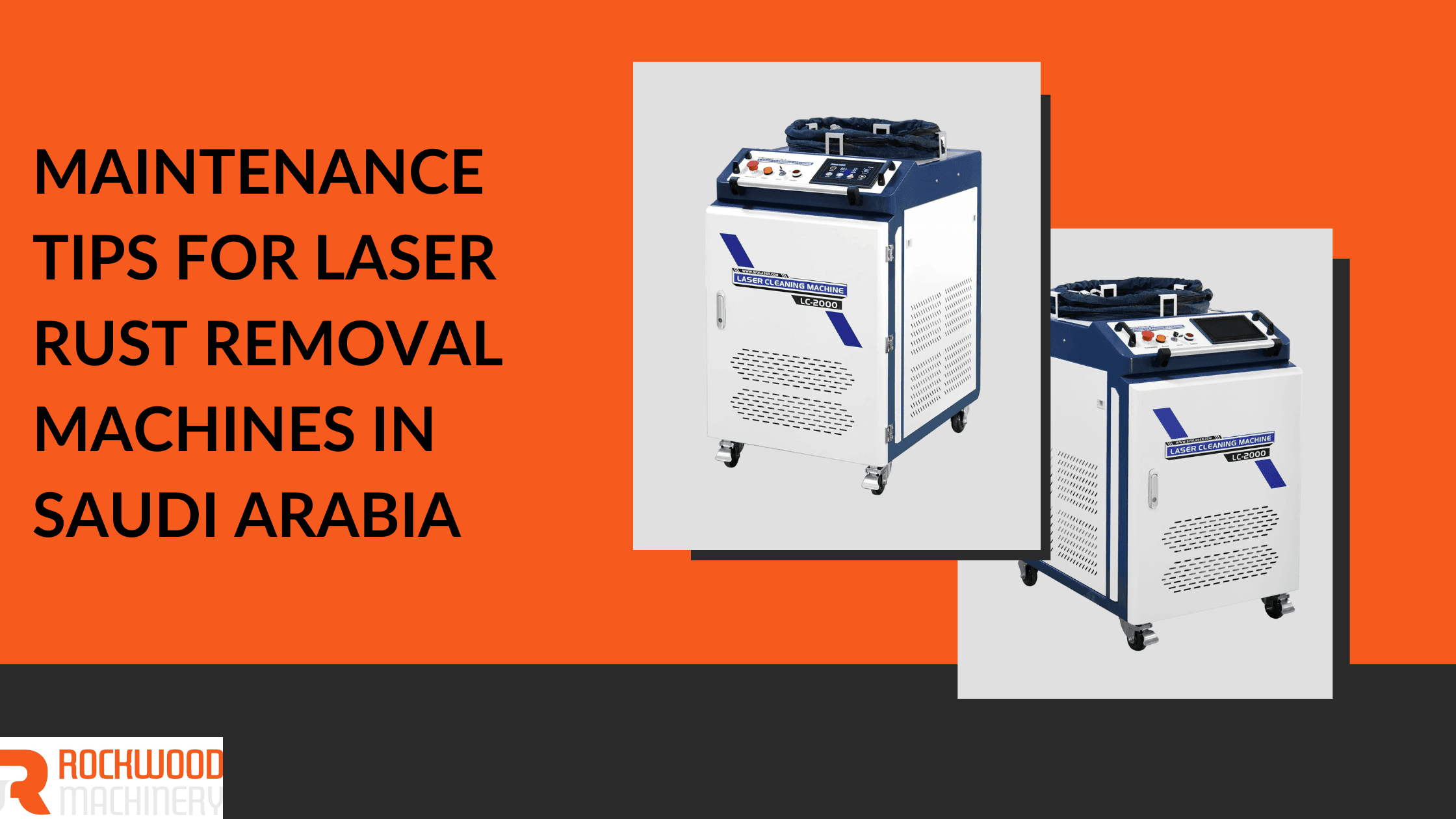
Advanced laser technology for rust removal is gaining popularity across various industries due to its precision, efficiency, and environmentally friendly operation. This technology is used in oil and gas facilities, shipyards, steel fabrication workshops, and infrastructure projects, offering an effective method for removing corrosion without the need for chemicals or abrasive blasting.
However, operating in Saudi Arabia presents specific environmental challenges such as high temperatures, dust exposure, and heavy industrial workloads. These conditions make regular maintenance essential to ensure consistent performance and long-term reliability.
Below are seven practical maintenance tips to help businesses maintain peak equipment efficiency.
1. Perform Daily Equipment Inspections
Regular inspections are essential for maintaining laser rust removal machines in Saudi Arabia. Before beginning daily operations, inspect fiber cables, connectors, and power lines for loose fittings, cracks, or signs of overheating. Examine the laser head and protective lens for any dust accumulation or signs of wear.
Review system alerts and temperature readings on the control panel during startup. Detecting minor issues early can prevent costly breakdowns and reduce downtime in demanding industrial environments.
2. Keep Optical Components Clean and Well-Maintained
The performance of laser rust removal systems depends heavily on clean, properly aligned, and undamaged optical components. Dust, sand, and rust particles common in Saudi industrial environments can reduce beam quality, weaken laser intensity, and affect cleaning precision.
To maintain optimal results:
-
Use manufacturer-approved cleaning solutions and lint-free wipes
-
Clean lenses in a controlled, low-dust environment
-
To prevent oil contamination, avoid direct contact with optical surfaces
-
Inspect focusing lenses and protective glass regularly
-
Replace scratched, cracked, or cloudy protective windows immediately
In addition, schedule periodic optical inspections to ensure beam alignment remains accurate. Proper optical maintenance not only improves cleaning consistency but also prevents unnecessary strain on the laser source, extending overall machine lifespan.
3. Maintain Cooling System Efficiency and Temperature Stability
Saudi Arabia’s high ambient temperatures and long operating hours place additional pressure on cooling systems. Without proper cooling, machines may overheat, leading to unstable output, reduced efficiency, and premature component failure.
For water-cooled systems:
-
Monitor coolant levels daily
-
Check coolant quality and replace it at recommended intervals
-
Check hoses, pumps, and fittings for any leaks or blockages
-
Ensure the chiller unit operates within the specified temperature range
For air-cooled systems:
-
Clean ventilation grills and cooling fans regularly
-
Remove dust buildup from airflow channels
-
Ensure there is sufficient space around the machine to allow for proper ventilation
Effective temperature control protects the laser source and stabilizes performance during continuous operation.
4. Control Dust and Environmental Exposure
Dust and sand are common environmental concerns across Saudi Arabia. Fine particles can enter ventilation systems and damage sensitive electronic components over time. These environmental challenges also affect industrial steel fabrication machines in Saudi Arabia, where proper cleaning and preventive measures are equally important.
To protect the equipment:
-
Clean or replace air filters frequently
-
Use compressed air to remove surface dust
-
Install dust extraction systems if possible
-
Cover equipment when not in use
Maintaining a clean working environment improves reliability and longevity.
5. Ensure Stable and Protected Power Supply
Laser systems require consistent electrical input for stable and uninterrupted operation. Voltage fluctuations, power surges, or unstable grounding can damage internal circuit boards and affect beam consistency.
To prevent electrical issues:
-
Install high-quality surge protectors
-
Use voltage stabilizers or UPS systems if required
-
Check grounding and earthing connections regularly
-
Inspect power cables for overheating or insulation damage
-
Avoid connecting the machine to overloaded industrial circuits
A reliable and secure power supply improves operational safety and minimizes wear on electronic components.
6. Perform Regular Calibration
Over time, slight changes in alignment or power output can impact cleaning performance. Routine calibration helps maintain precision and consistent rust removal results.
Scheduled checks should include:
-
Verifying laser output levels
-
Checking beam alignment
-
Testing cleaning efficiency on sample materials
-
Adjusting scanning speed settings
Regular calibration ensures consistent cleaning quality.
7. Schedule Professional Preventive Maintenance
It is highly recommended that certified technicians perform annual servicing. Professional inspections help identify hidden issues and maintain compliance with manufacturer standards.
Professional servicing may include:
-
Internal cleaning
-
Laser source diagnostics
-
Cooling system evaluation
-
Electrical system inspection
-
Software updates
Preventive maintenance helps lower long-term repair costs and increases the lifespan of equipment.
Conclusion
Maintaining laser rust removal machines in Saudi Arabia requires a proactive approach due to demanding environmental and industrial conditions. By performing regular inspections, keeping optical components clean, maintaining cooling systems, controlling dust exposure, ensuring a stable power supply, calibrating routinely, and scheduling professional servicing, businesses can maximize productivity and protect their investment.
With consistent maintenance, laser rust removal machines in Saudi Arabia will continue to deliver reliable and high-quality rust removal performance across a wide range of industrial applications.
To learn more, click: The Growing Role of CNC Technology in Saudi Arabia’s Steel Fabrication Industry

