
Thinking of Buying a Laser Welder? Look Beyond Speed and Power
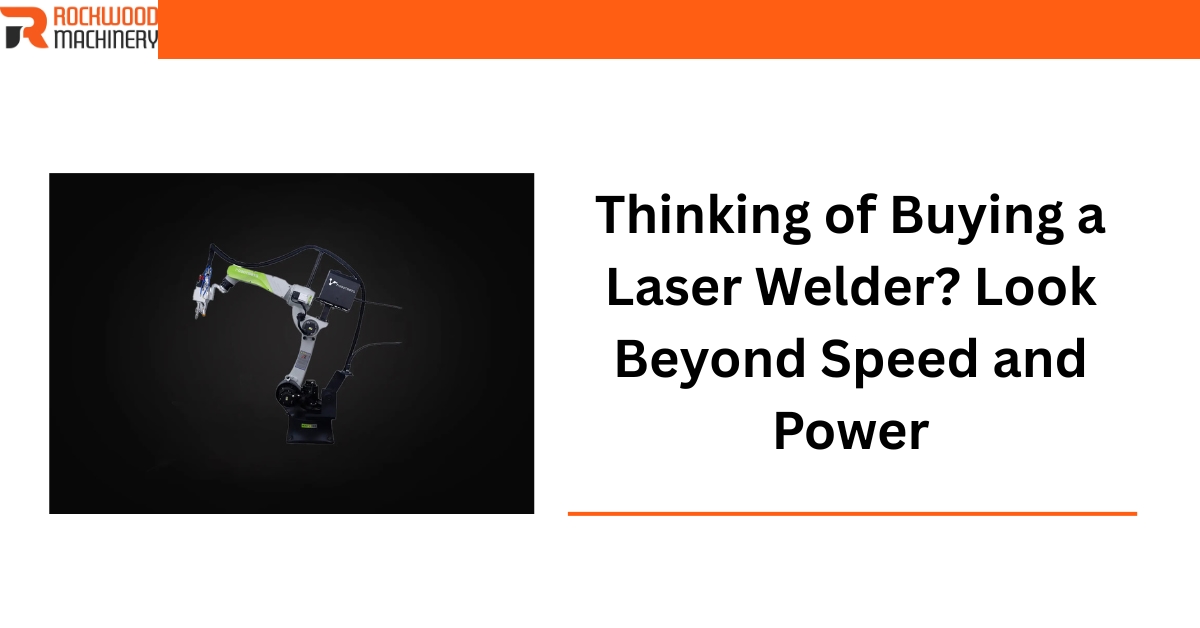
A laser welding machine can transform the way a fabrication shop works, but choosing one isn't as simple as comparing wattage and welding speed. Those specifications deserve attention, yet they reveal only part of the picture. Daily performance depends on several factors that influence weld quality, maintenance, operating costs, and operator comfort.
Companies investing in Laser Welding Machines in Saudi Arabia often work across industries such as metal fabrication, automotive, HVAC, construction, and industrial manufacturing. Each application brings different production demands, which means the best machine for one workshop may not be the right fit for another.
Before making a purchase, take a closer look at the features that continue to matter long after the machine has been installed.
Start With Your Daily Production
Every workshop has its own routine. Some weld thin stainless-steel sheets during the day, while others work with thicker structural components in smaller batches.
Instead of beginning with machine specifications, begin with your workload.
Think about:
- The materials you weld most often
- Average material thickness
- Daily production volume
- The level of precision your customers expect
A machine that matches your production profile usually delivers better value than one selected simply because it offers higher power.
Higher Power Doesn't Automatically Mean Better Results
A common misconception is that the most powerful laser welder is always the smartest investment.
Higher output certainly helps with demanding applications, yet excessive power can introduce unnecessary heat when working with thinner materials. That extra heat may increase distortion or require additional finishing work.
A machine with the right power range often produces cleaner welds while giving operators better control.
Choosing the correct balance between power and application leads to more consistent production.
Beam Quality Shapes Every Weld
Two laser welders with the same power ratings can produce significantly different results.
Beam quality influences:
- Weld consistency
- Penetration depth
- Heat concentration
- Surface finish
- Spatter levels
When beam quality remains stable throughout production, operators spend less time correcting weld defects after each job.
Manufacturers who prioritize appearance and precision should pay close attention to this feature.
Easy Operation Helps the Entire Workshop
Technology should simplify production rather than complicate it.
Modern laser welding machines feature digital controls that enable operators to quickly adjust welding parameters. An intuitive interface also reduces training time and helps experienced staff move between different jobs with minimal setup.
Small usability improvements often become significant over months of daily production.
Cooling Performance Deserves More Attention
Laser systems generate considerable heat during continuous operation.
A reliable cooling system maintains stable temperatures for internal components, ensuring consistent welding performance during extended production shifts.
Before purchasing a machine, ask about:
- Cooling capacity
- Recommended operating hours
- Maintenance requirements
- Cooling system service intervals
Ignoring this area can lead to unexpected downtime later.
Service Support Is Part of the Investment
A laser welding machine may operate for many years, provided support remains available when needed.
Before placing an order, ask suppliers relevant and practical questions.
Can spare parts be supplied quickly?
Is technical assistance available locally?
Will operator training be included?
How long does routine servicing usually take?
Clear answers today can prevent future production delays.
Look Beyond the Purchase Price
The lowest bid isn't always the least expensive option in terms of overall operating costs.
Long-term expenses may include:
- Replacement parts
- Scheduled maintenance
- Energy consumption
- Operator training
- Service visits
Reliable equipment often reduces these costs by minimizing breakdowns and maintaining stable production over time.
Evaluating ownership costs instead of purchase price provides a clearer picture of the investment.
Safety Should Never Be an Afterthought
Laser welding equipment operates with concentrated energy that requires proper safety protection.
A quality machine should include dependable safety systems designed to protect both operators and equipment.
Features worth checking include emergency stop controls, protective enclosures, cooling protection, warning indicators, and system monitoring.
These elements contribute to safer day-to-day operation while helping businesses meet workplace safety requirements.
Choose a Machine That Supports Future Growth
Production requirements rarely remain the same.
A workshop focused on small fabrication projects could grow into larger industrial contracts in the coming years.
Choosing a machine with room for future production growth can delay the need for another major equipment purchase.
Flexibility becomes valuable when customer requirements begin to change.
Work with a Supplier That Knows Your Business
A machine performs best when backed by knowledgeable support.
An experienced supplier assists customers in selecting equipment based on their production needs, rather than merely promoting the highest specifications available.
Rockwood Saudi provides laser welding machines in Saudi Arabia for manufacturers, fabrication companies, and industrial workshops seeking reliable welding automation solutions, along with technical guidance and after-sales support. Choosing the right equipment with expert guidance allows businesses to invest with confidence and minimize uncertainty during installation and operation.
Final Thoughts
Buying a laser welder is a long-term decision, not a short-term purchase. Speed and power deserve attention, but they shouldn't dominate the conversation.
Machine reliability, beam quality, cooling efficiency, ease of operation, maintenance requirements, safety features, and supplier support all influence performance throughout the equipment's life.
Evaluating practical details helps businesses select Laser Welding Machines in Saudi Arabia that provide consistent weld quality, reliable operation, and long-lasting value throughout years of production.
To learn more, click: Hydraulic vs. Pneumatic Solar Ramming Equipment in Saudi Arabia: What Works Best?

