
Laser Applications for the Automotive Industry in Saudi Arabia
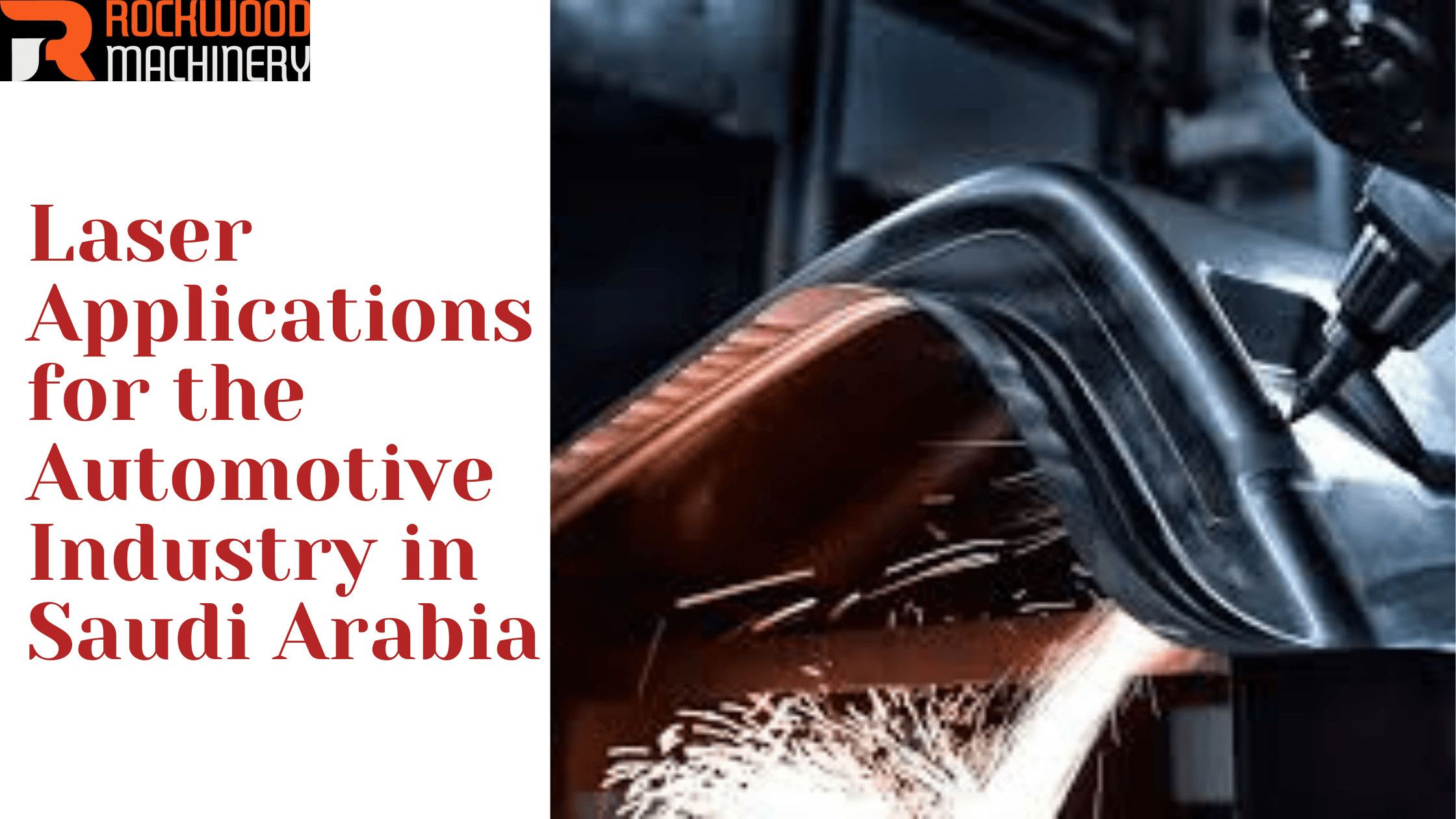
Laser technology has become a driving force behind innovation in the global automotive industry, and Saudi Arabia is no exception. As the Kingdom continues to expand its manufacturing base under Vision 2030, advanced technologies such as lasers are playing a crucial role in improving production efficiency, design flexibility, and product quality.
Much like in the UAE, laser technology has found diverse applications in Saudi Arabia’s automotive sector, supporting both vehicle manufacturing and component fabrication. From welding and cutting to marking and surface treatment, lasers have evolved from handling simple tasks to becoming an integral part of modern automotive production lines.
Evolution of Laser Technology in Automotive Manufacturing
Initially, lasers were used in automotive manufacturing for relatively simple operations, such as welding cylindrical components found in automatic transmissions. However, rapid advancements in laser technology have significantly expanded their role.
Today, lasers are widely used in:
-
Welding vehicle roofs, doors, and body structures
-
Cutting complex sheet metal and hydroformed parts
-
Annealing door springs for durability
-
Welding instrument panels and structural components
-
Marking and engraving for traceability and branding
As vehicles become lighter and incorporate new materials, laser technology continues to evolve to meet growing demands for safety, performance, and efficiency.
Why the Automotive Industry Uses Lasers
The main reason lasers have become an indispensable tool for the automobile industry is due to their ability to produce highly focused and intense light beams with extreme accuracy. This precision benefits both the design stage and the assembly process, resulting in higher-quality automotive components.
Lasers are particularly effective for:
-
Tight tolerances in structural parts
-
Fine detailing in interior components
-
Clean, distortion-free welding and cutting
By reducing component costs and speeding up assembly times, automotive manufacturers and suppliers in Saudi Arabia can remain competitive in the global market while meeting increasing production demands.
Key Laser Applications in Saudi Arabia’s Automotive Sector
Laser Cutting and Welding
The use of lasers in cutting and welding applications is extremely popular within the automobile manufacturing industry. Fiber laser cutting machines in Saudi Arabia are used to process sheet metal with high speed and accuracy, ensuring clean edges and minimal material waste.
Laser welding, on the other hand, provides:
-
Strong and consistent joints
-
Reduced heat-affected zones
-
Improved structural integrity
These benefits are essential for body-in-white manufacturing, chassis components, and safety-critical automotive parts.
Laser Marking and Engraving
Laser marking plays a vital role in traceability and quality control. Automotive components are permanently marked with:
-
Serial numbers
-
Part codes
-
Barcodes and QR codes
-
Manufacturer and compliance details
This is especially important in Saudi Arabia’s growing automotive and industrial manufacturing ecosystem, where quality standards and traceability are increasingly emphasized.
Laser Surface Treatment and Cleaning
Laser technology is also used for surface preparation and cleaning. Laser rust removal machines in Saudi Arabia remove contaminants, coatings, oil, and oxides without damaging the base material.
This ensures:
-
Better adhesion during painting and coating
-
Improved bonding in welding and assembly
-
Environmentally friendly cleaning without chemicals
Laser surface treatment supports cleaner, safer, and more sustainable manufacturing processes.
Additive Manufacturing Using Lasers
Laser-based additive manufacturing technologies such as Selective Laser Melting (SLM) and Selective Laser Sintering (SLS) are gaining traction in automotive prototyping and low-volume production.
These technologies enable manufacturers to:
-
Produce lightweight yet strong components
-
Create complex geometries not possible with traditional methods
-
Accelerate product development cycles
This is particularly valuable as Saudi Arabia explores advanced manufacturing and localized automotive production.
Laser Drilling and Micromachining
Laser drilling and micromachining are used for highly precise operations, especially in components such as:
-
Fuel injection systems
-
Sensor housings
-
Small mechanical and electronic parts
The non-contact nature of lasers ensures consistent results with minimal wear and high repeatability.
Laser-Based Quality Inspection
Lasers are increasingly integrated into automated inspection systems to measure and verify component dimensions. These systems help manufacturers maintain tight quality tolerances, reduce defects, and improve overall reliability in automotive production lines.
Advantages of Laser Technology in Automotive Manufacturing
Laser systems offer several characteristics that make them ideal for automotive applications:
-
High energy density focused on small areas
-
Non-contact processing, reducing tool wear
-
Exceptional precision and repeatability
-
Easy integration with automation and robotics
Manufacturers can decrease production times, boost manufacturing efficiencies, and enhance product quality with these benefits.
The Future of Lasers in Saudi Arabia’s Automotive Industry
The potential for growing use of laser technology in the automotive industry is bright. As Saudi Arabia focuses on local manufacturing, sustainability, and advanced industrial capabilities, lasers are expected to play an even greater role.
Some key trends that will shape the future include::
-
More use of lasers to create lightweight automobiles
-
Greater adoption of automation and smart factories
-
Expansion of laser-based additive manufacturing
-
Enhanced focus on energy efficiency and sustainability
Lasers will continue to support innovation in vehicle safety, performance, and design.
Do More Automotive Firms Need to Adopt Laser Technology?
While many automotive manufacturers have already embraced laser technology, there is still significant room for wider adoption, especially among tier suppliers and component manufacturers.
Laser technology offers:
-
Higher precision for modern vehicle designs
-
Greater flexibility across multiple processes
-
Improved automation and scalability
-
Reduced environmental impact compared to conventional methods
Although the initial investment may be a consideration, the long-term benefits—including lower operational costs, improved quality, and future readiness—make laser systems a strategic choice.
Conclusion
The adoption of laser applications in Saudi Arabia’s automotive industry reflects a strong commitment to innovation, precision engineering, and sustainable manufacturing. From cutting and welding to marking, cleaning, and additive manufacturing, laser technology has become indispensable in modern automotive production.
As the industry continues to evolve, lasers will remain at the forefront of automotive manufacturing in Saudi Arabia, helping manufacturers deliver safer, lighter, and more efficient vehicles while staying competitive in a rapidly changing global market.
To continue reading, click: Uses of Laser Engraving Machines in Saudi Arabia

