
Industrial Steel Fabrication Machines in Saudi Arabia
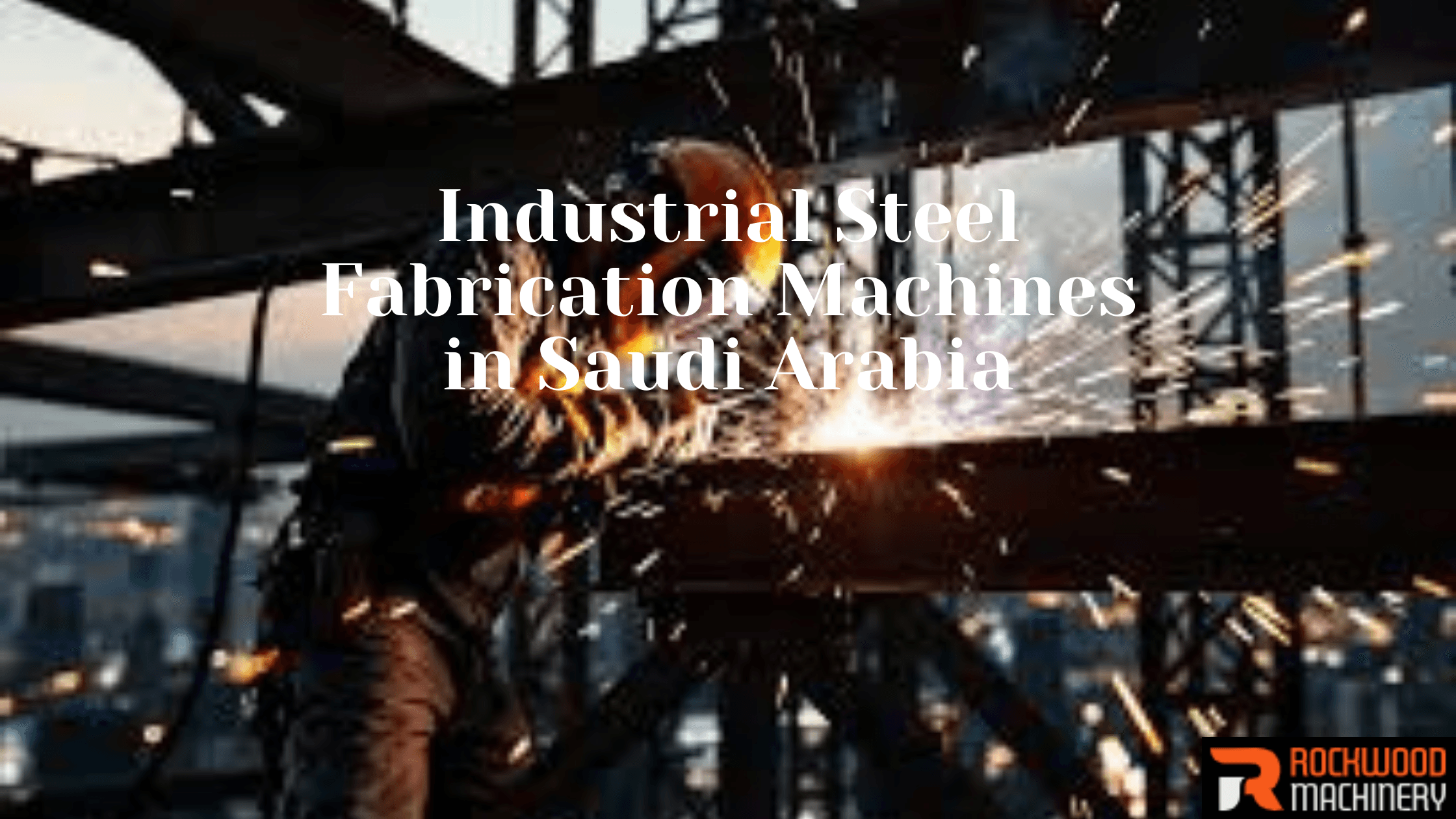
Saudi Arabia’s steel fabrication sector is experiencing rapid growth, driven by large-scale infrastructure projects, energy initiatives, and the Kingdom’s Vision 2030 industrial transformation agenda. As fabrication demands increase in complexity and volume, steel manufacturers are turning to advanced industrial steel fabrication machines to achieve higher productivity, accuracy, and compliance with international standards.
Among the most critical technologies shaping modern fabrication units in Saudi Arabia are laser marking machines, stud welding machines, and welding automation systems.
Saudi Arabia’s Steel Fabrication Landscape
Steel fabrication plays a vital role in Saudi Arabia’s construction, oil & gas, power generation, and manufacturing sectors. Mega projects such as industrial cities, transport networks, refineries, and renewable energy plants rely heavily on fabricated steel structures and components.
To meet tight project timelines and strict quality requirements, Saudi fabrication workshops are increasingly upgrading from conventional manual processes to automated and digitally controlled machinery.
Laser Marking Machines: Precision Identification for Fabricated Steel
Laser marking machines are essential for permanent, high-precision marking of steel components without damaging the material surface. They encode clear, long-lasting markings on materials like rubber, metal, or plastic using very narrow, focused laser beams on the materials to produce serial numbers, part coding, bar-coding, logos, and regulatory compliance codes or marks.
Applications in Saudi Steel Fabrication
-
Structural steel identification
-
Oil & gas components and pipelines
-
Industrial machinery parts
-
Traceability marking for quality audits
Key Benefits
-
Permanent and wear-resistant markings
-
High accuracy and repeatability
-
Non-contact process with no material deformation
-
Compliance with ISO and industry traceability standards
Laser marking machines are widely used in Saudi Arabia to support quality control, asset tracking, and export compliance.
Stud Welding Machines: Fast and Reliable Metal Fastening
Stud welding machines in Saudi Arabia are widely used in Saudi steel fabrication projects for fastening shear studs, insulation pins, and threaded fasteners directly onto steel surfaces. This process ensures strong, uniform joints without drilling or additional hardware.
Common Applications
-
Steel structures and bridges
-
Oil & gas platforms
-
Power plants and industrial buildings
-
Pre-engineered buildings (PEB)
Advantages for Fabricators
-
High-strength, single-sided welding
-
Faster installation compared to traditional methods
-
Consistent weld quality
-
Reduced labor and rework
Stud welding machines help Saudi fabricators improve structural integrity while maintaining speed and efficiency on large projects.
Welding Automation Machines: The Backbone of Large-Scale Fabrication
Welding automation machines have become indispensable for high-volume steel fabrication in Saudi Arabia. These systems include welding columns and boom manipulators, rotators, positioners, robotic welding cells, and automated SAW systems.
Industries Using Welding Automation
-
Oil & gas pressure vessels and tanks
-
Power and energy equipment
-
Heavy structural fabrication
-
Industrial machinery manufacturing
Why Automation Matters
-
Uniform weld quality across large components
-
Higher production output with reduced cycle time
-
Lower dependency on manual labor
-
Improved workshop safety and compliance
By automating repetitive and complex welding tasks, Saudi steel fabricators can consistently meet international welding standards such as ASME, AWS, and ISO.
Technology Advancements Supporting Saudi Fabricators
Modern steel fabrication machines are increasingly integrated with PLC controls, CAD/CAM systems, real-time monitoring, and energy-efficient power sources. These technologies enable better production planning, reduced material waste, and predictive maintenance—key elements of Industry.
Such advancements align well with Saudi Arabia’s push toward smart manufacturing and the development of localized industrial capabilities.
Choosing the Right Steel Fabrication Machines in Saudi Arabia
When investing in fabrication machinery, Saudi manufacturers should evaluate:
-
Production volume and project scale
-
Material thickness and steel grades
-
Required accuracy and repeatability
-
Availability of local service and spare parts
-
Compliance with Saudi and international standards
Working with an experienced machinery supplier that offers installation, operator training, and after-sales support in Saudi Arabia ensures long-term operational success.
Future Outlook for Steel Fabrication Machines in Saudi Arabia
As Vision 2030 continues to drive industrial growth, demand for advanced steel fabrication machines in Saudi Arabia is expected to rise steadily. Fabricators that invest in laser marking, stud welding, and welding automation technologies will be better positioned to support large infrastructure projects, improve profitability, and compete globally.
Conclusion
Industrial steel fabrication machines are transforming the way Saudi fabrication units operate. By integrating laser marking machines, stud welding machines, and welding automation systems, steel manufacturers can enhance precision, productivity, safety, and quality.
For steel fabrication companies in Saudi Arabia, upgrading to modern fabrication technology is not just an operational improvement—it is a strategic move toward sustainable industrial growth.

