
Safety Guidelines for Operating Ultrasonic Cleaning Machines in Industries
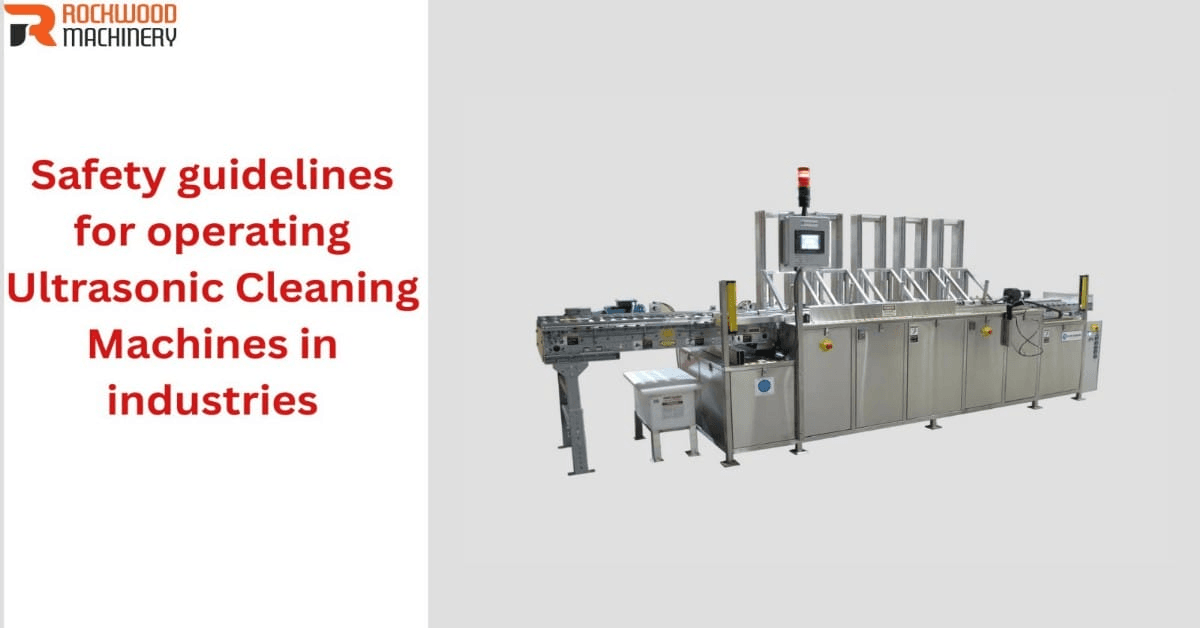
Ultrasonic cleaning machines are widely used across various industries, including manufacturing, automotive, aerospace, electronics, and healthcare, because they can clean complex parts with great precision and efficiency. By using high-frequency sound waves to create microscopic cavitation bubbles, these machines remove contaminants like grease, oil, dust, and corrosion from surfaces that are difficult to clean using traditional methods. The increasing demand for ultrasonic cleaning machines in Saudi Arabia reflects their importance in maintaining high industrial standards. While highly effective, these machines must be operated with proper safety precautions to ensure the well-being of workers and the longevity of equipment.
Understanding Ultrasonic Cleaning Technology
Ultrasonic cleaning operates by transmitting high-frequency sound waves, usually between 20 kHz and 40 kHz, through a liquid cleaning solution. These waves generate millions of tiny bubbles that rapidly expand and collapse, producing a powerful scrubbing effect that dislodges contaminants from surfaces. Industries that rely on industrial steel fabrication machines in Saudi Arabia often use ultrasonic cleaning systems to maintain equipment efficiency and ensure high-quality output. Although this process is highly efficient, it can pose risks if safety procedures are not followed.
1. Ensure Proper Training and Knowledge
Only trained and authorized personnel should operate ultrasonic cleaning machines in Saudi Arabia. Operators must understand how to use the machine controls, follow safety protocols, and be familiar with emergency shutdown procedures. Proper training reduces the risk of accidents and guarantees the effective operation of machines. Employers should provide clear instruction manuals and display safety guidelines near the equipment for easy reference.
2. Wear Appropriate Personal Protective Equipment (PPE)
Personal protective equipment is essential when operating ultrasonic cleaning systems. Workers should wear chemical-resistant gloves, safety goggles or face shields, and protective clothing such as aprons or lab coats. In some cases, hearing protection may also be required if the machine generates high noise levels. PPE helps prevent injuries caused by chemical exposure, splashes, or accidental contact with hot solutions.
3. Handle Cleaning Solutions Safely
The cleaning solution used in ultrasonic machines plays a vital role in the cleaning process, but can also pose chemical hazards. Always use solutions recommended by the manufacturer and avoid mixing incompatible chemicals, as this may result in harmful reactions. It is essential to properly label, store, and handle chemicals. Operators should also follow Material Safety Data Sheets (MSDS) to understand potential risks and first-aid measures associated with each solution.
4. Avoid Direct Contact with the Tank
One of the most important safety rules is to never place hands or body parts directly into an operating ultrasonic cleaning tank. The process of cavitation, along with heated liquids, can lead to skin irritation, burns, or tissue damage. Instead, always use baskets, trays, or specialized holders to load and unload items. This not only protects the operator but also ensures consistent cleaning results.
5. Monitor Temperature and Electrical Safety
Many ultrasonic cleaning machines use heated solutions to enhance cleaning efficiency. However, extremely high temperatures can raise the risk of burns or damage to equipment. Operators should regularly monitor temperature settings and ensure they remain within recommended limits. Electrical safety must not be overlooked. Machines should be properly grounded, and all wiring should be regularly inspected to prevent short circuits or electrical hazards.
6. Avoid Overloading the Machine
Overloading the ultrasonic cleaning tank can reduce cleaning efficiency and strain the equipment. Items should be arranged with enough space to allow proper cavitation around each surface. Overcrowding can also lead to uneven cleaning results and potential damage to delicate components. Always follow the manufacturer’s recommended load capacity and guidelines.
7. Perform Regular Maintenance and Inspection
Routine maintenance is essential for safe and efficient operation. Regular inspections should focus on checking the condition of the tank, transducers, and electrical components. Cleaning the tank and replacing worn parts as needed will help maintain optimal performance. Any unusual noises, vibrations, or malfunctions should be reported and addressed immediately to prevent further issues.
8. Ensure Proper Ventilation
Ultrasonic cleaning processes, especially those involving heated solutions, can release fumes or vapors. Operating machines in well-ventilated areas helps minimize the risk of inhaling harmful substances. In industrial settings, the installation of exhaust systems or fume hoods can significantly enhance air quality and improve worker safety.
9. Be Prepared for Emergencies
Workplaces must be prepared to handle emergencies effectively. Ultrasonic cleaning areas should include easily accessible emergency stop buttons, fire extinguishers, and first aid kits. Employees should receive training to respond swiftly to incidents such as chemical spills, burns, or equipment malfunctions. Being well-prepared can significantly reduce the impact of accidents.
Conclusion
Ultrasonic cleaning machines offer exceptional cleaning performance and are indispensable in modern industrial operations. Their growing adoption, particularly in regions investing in advanced manufacturing, such as the use of ultrasonic cleaning machines in Saudi Arabia, highlights their value. By adhering to appropriate safety guidelines—such as training, PPE use, chemical handling, and regular maintenance—businesses can foster a safer work environment while optimizing efficiency and extending equipment lifespan.
To learn more, click: Benefits of Using Dot Peen Marking Machines for Industrial Applications in Saudi Arabia

