
How to Choose Stud Welding Machines in Saudi Arabia? Everything You Need to Know
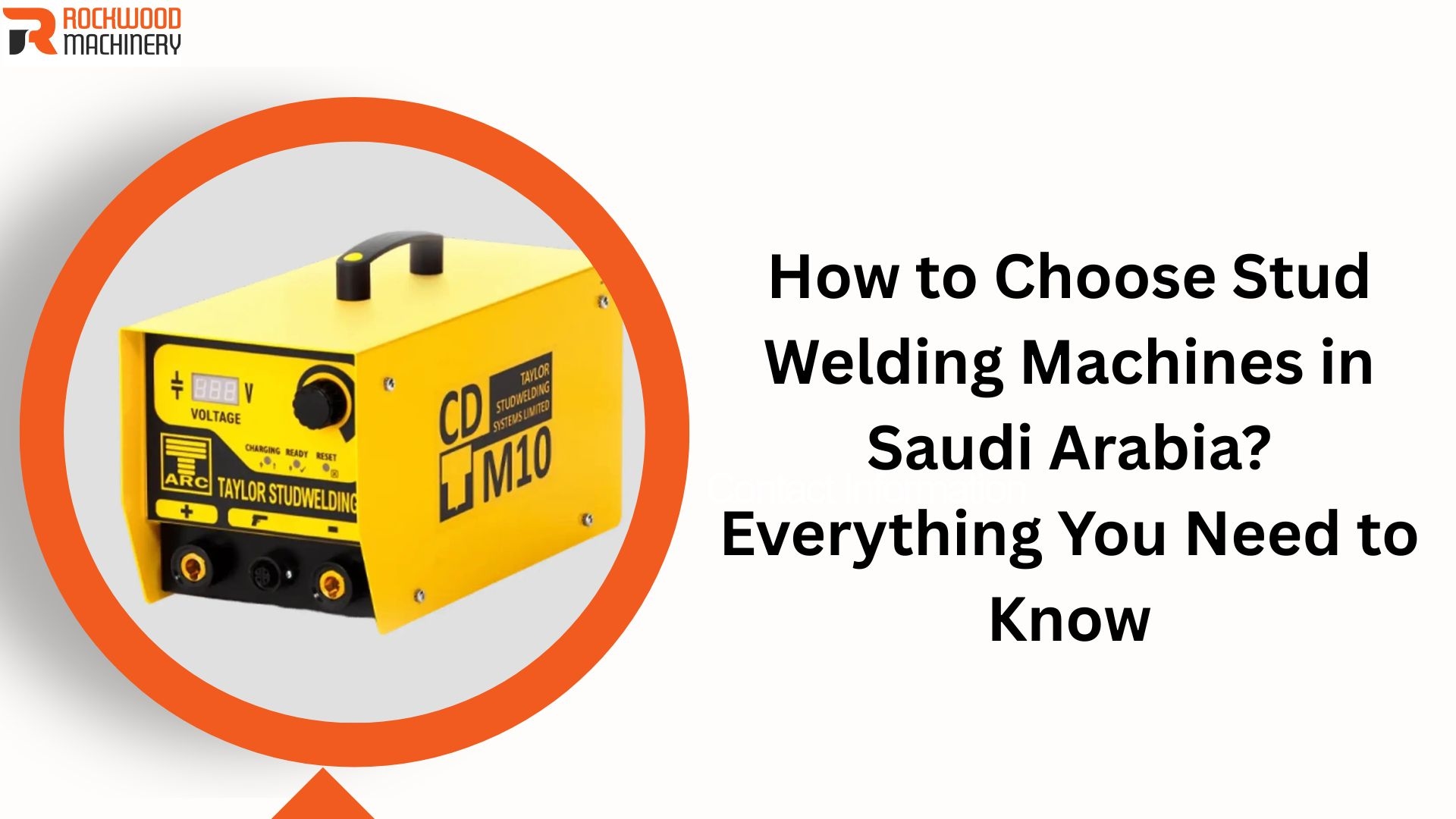
A few years ago, many contractors in Saudi Arabia viewed stud welding as a specialized process reserved for large industrial projects. Today, it has become a common requirement across construction sites, fabrication workshops, petrochemical facilities, and infrastructure developments. As projects increase in scale and deadlines tighten, companies require equipment that provides reliable welds without disrupting production.
If you're planning to invest in a stud welding machine, the available options can seem overwhelming. Different technologies, power ratings, stud capacities, and features all compete for attention. The best choice depends on the type of work you handle every day.
Why Stud Welding Is Widely Used in Saudi Arabia
Stud welding creates a strong bond between a metal stud and a metal surface in a fraction of a second. Unlike traditional fastening methods, there is no need for drilling, tapping, or additional hardware.
This process is commonly used in:
-
Structural steel fabrication
-
Oil and gas facilities
-
Power generation plants
-
Shipbuilding projects
-
Industrial manufacturing
-
Commercial construction
Saudi Arabia's ongoing industrial and infrastructure growth has increased demand for efficient welding solutions that support high production volumes. As a result, stud welding machines in Saudi Arabia are becoming essential for contractors, fabricators, and manufacturers seeking increased productivity, reliable performance, and improved weld quality across a wide range of industrial applications.
Start With Your Project Requirements
Before comparing machine specifications, look closely at your daily workload.
Ask yourself:
-
What stud sizes do you use most often?
-
Which materials are being welded?
-
Is the work completed indoors or outdoors?
-
How many studs are welded during a typical shift?
-
Will the machine be used occasionally or every day?
Clear answers simplify the selection process and reduce unnecessary spending on features you may never use.
Understanding the Two Main Stud Welding Technologies
Capacitor Discharge (CD) Stud Welding
Capacitor discharge machines are popular for thinner materials and smaller studs. They release stored energy in a very short welding cycle, limiting heat transfer to the base material.
Common applications include:
-
Sheet metal workshops
-
HVAC manufacturing
-
Electrical panel production
-
Commercial kitchen equipment fabrication
Drawn Arc Stud Welding
Drawn arc welding is designed for heavier applications and larger stud diameters. The process creates a deeper weld and is widely used in demanding industrial environments.
Typical applications include:
-
Structural steel projects
-
Petrochemical plants
-
Heavy engineering works
-
Industrial construction
For contractors handling large-scale projects, drawn arc systems often provide the strength and durability required for structural applications.
Don't Ignore Power Requirements
Before purchasing a machine, verify:
-
Input voltage requirements
-
Single-phase or three-phase operation
-
Generator compatibility
-
Maximum power consumption
This is especially important for contractors working on remote sites where generators provide the primary power source.
Consider Saudi Arabia's Working Environment
Equipment operating in Saudi Arabia often faces high temperatures, dust, and extended operating hours. When evaluating machines, pay attention to:
-
Cooling system design
-
Housing durability
-
Cable quality
-
Connector strength
-
Internal component protection
A lower-priced machine may appear attractive initially, but frequent maintenance can increase long-term costs.
Evaluate Supplier Support
When comparing stud welding equipment, look beyond the machine itself. Consider factors such as:
-
Technical assistance
-
Spare parts availability
-
Training support
-
Maintenance services
-
Response times
Reliable supplier support can help minimize downtime and keep projects running smoothly, especially in demanding industrial environments.
Check After-Sales Support Before Buying
Every welding machine eventually requires maintenance, consumables, or replacement components.
Ask suppliers about:
-
Availability of welding guns
-
Collets and chucks
-
Control cables
-
Technical support
-
Repair services
Fast access to replacement parts and service helps minimize downtime and project delays.
Think Beyond the Purchase Price
Many buyers focus solely on the initial cost and often overlook long-term operating expenses.
A quality machine often provides better value through:
-
Longer service life
-
Reduced downtime
-
Lower maintenance requirements
-
Consistent weld quality
-
Better productivity
Calculating the total cost of ownership can provide a clearer picture of the investment.
Final Thoughts
Choosing a stud welding machine requires more than comparing technical specifications. The right decision depends on your application, production volume, working environment, and support requirements.
As more suppliers offer stud welding machines in Saudi Arabia, businesses need to carefully assess machine performance, the availability of spare parts, and after-sales support before deciding to make a purchase. A well-chosen machine can help maintain efficiency, meet project deadlines, and deliver consistent weld quality across a wide range of industrial applications.
To learn more, click: Laser Cleaning Machines in Saudi Arabia: Process, Benefits, and How They Work

